
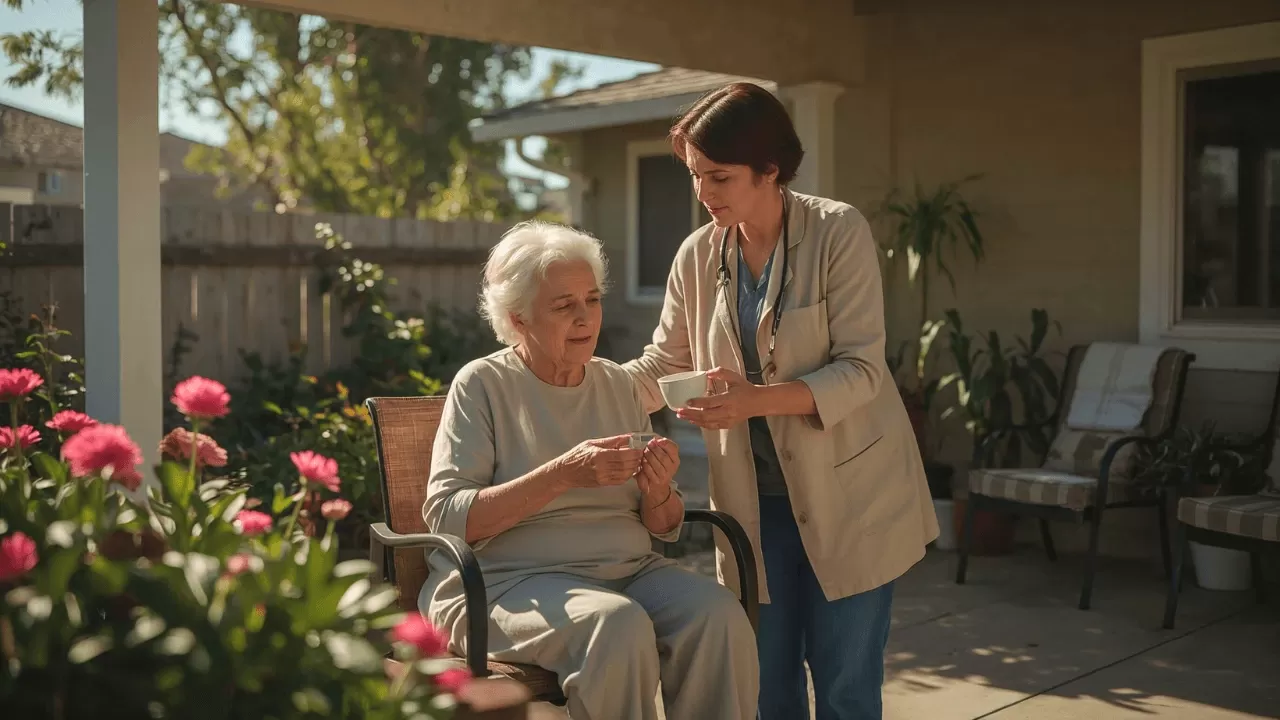
Early signs of Dementia can include difficulty remembering things, thinking clearly, and acting normally. These challenges often arise due to diseases or conditions that damage brain cells, resulting in Dementia.
While Dementia is more common in older adults, it can affect individuals of any age. It’s important to understand that not all changes in memory, thinking, and behavior indicate Dementia; some changes are a natural part of aging and do not interfere with daily activities.
So, how can we distinguish between normal aging and Dementia? What are the early signs of Dementia, and where can we find help? Additionally, how can we support our loved ones who are dealing with Dementia? We will address these questions and provide valuable information and resources for those exploring end-of-life care options for themselves or their loved ones.
- Dementia is a term that refers to a group of symptoms impacting memory, thinking, and behavior. It is not a normal part of aging; rather, it results from damage to brain cells caused by various diseases or conditions.
- Several factors, including genetics, vascular issues, and head injuries, can contribute to the development of Dementia. As the condition progresses, it affects both the structure and function of the brain, leading to impairments in cognitive abilities such as memory, attention, language, and reasoning.
- To differentiate Dementia from normal aging and to rule out other potential causes of cognitive decline, various tests and assessments can be conducted. These may include cognitive screenings, neuropsychological testing, brain imaging, and blood tests.
What are the 10 Warning Signs of Dementia?
Be aware of these ten signs of early Dementia. These signs differ from the typical age-related changes in memory, thinking, and behavior. For example, while normal aging may result in occasional forgetfulness, Dementia can lead to frequent and severe memory loss that greatly affects daily life.
- Memory loss that disrupts daily life
- Challenges in planning or solving problems
- Difficulty completing familiar tasks
- Confusion with time or place
- Trouble understanding visual images and spatial relationships
- New problems with words in speaking or writing
- Misplacing things and losing the ability to retrace steps
- Decreased or poor judgment
- Withdrawal from work or social activities
- Changes in mood and personality
If you notice any of the signs of Dementia, it is crucial to seek medical attention and receive a proper diagnosis, as some causes of Dementia are treatable and reversible. Early intervention can enhance the quality of life and slow the progression of Dementia.
To maintain and improve cognitive health while reducing dementia risk factors, consider the following strategies: engage in physical activity, participate in mentally stimulating activities, maintain social connections, and follow a healthy diet. These steps can help prevent or delay the onset of Dementia.
Dementia is not a single disease but rather a group of symptoms affecting memory, thinking, and behavior. These symptoms are caused by various diseases or conditions that damage brain cells, such as the early symptoms of Alzheimer’s disease, vascular Dementia, Lewy body dementia, and frontotemporal Dementia. Dementia can affect anyone, but it is more common in older adults.
According to the World Health Organization: About 50 million people are living with dementia worldwide, and this number is expected to rise to 152 million by 2050.
Dementia is not a normal part of aging. While it’s common to experience some changes in memory, thinking, and behavior as we get older, these changes usually do not disrupt our daily functioning. For example, we might occasionally forget names or appointments but can recall them later. We may also notice that our thinking and reaction times are slower, yet we can still solve problems and make decisions effectively.
What are the 5 Early Signs of Dementia?
The Alzheimer’s Association, a leading voluntary health organization in Alzheimer’s care, support, and research, has identified ten signs of early Dementia that can help us distinguish Dementia from normal aging. These signs are:
- Memory loss that disrupts daily life. That is one of the most common early symptoms of Alzheimer’s disease. People with Dementia may repeatedly forget recently learned information, important dates, or events, or ask for the same information. They may also rely on memory aids, such as notes, reminders, or family members, for things they used to handle independently. That differs from normal aging, where we may forget things but remember them later.
- Individuals with Dementia may struggle to follow a plan or work with numbers. They may require assistance in keeping track of monthly bills, following a recipe, or balancing a checkbook. Additionally, they may find it hard to concentrate and take much longer to complete tasks compared to before. This is distinct from normal aging, where occasional errors may occur, but individuals can still manage their finances and daily activities.
- Individuals with Dementia may struggle to complete familiar daily tasks, such as driving to familiar places, creating grocery lists, or remembering game rules. They might also require assistance with common appliances like microwaves, TV remotes, or phones. This differs from normal aging, where people may need help with new technology but can still use familiar devices.
- People with Dementia often lose track of dates, seasons, and time, struggling to comprehend events from the past. They may also have difficulty remembering their current location and may mistakenly believe they are in a different time period, such as their childhood. This differs from normal aging, where forgetfulness about the day of the week can usually be figured out later.
- Individuals with Dementia may experience vision problems unrelated to eye conditions like cataracts or glaucoma. They might struggle with reading, judging distances, recognizing colors, or seeing their own reflection, which can affect activities like driving or walking. In contrast, while normal aging causes vision changes, individuals generally retain the ability to interpret visual information.
How to Distinguish Between Dementia and Normal Aging
Dementia and normal aging are different. Dementia involves symptoms that affect memory, thinking, and behavior due to brain cell damage caused by disease, whereas normal aging is a natural process that affects everyone. Aging may bring mild changes in memory and thinking, but these usually do not significantly impact daily functioning.
The first step in distinguishing between dementia and normal aging is to seek medical attention and a proper diagnosis. Some causes of Dementia are treatable and reversible, including infections, vitamin deficiencies, and thyroid issues. Early intervention can enhance quality of life and potentially slow the progression of Dementia.
Early Signs of Dementia Test
It is important to consult a doctor if you notice any early signs of Dementia or experience sudden or unexplained changes in memory, thinking, or behavior. The doctor may conduct various tests and assessments to diagnose Dementia and eliminate other possible causes of cognitive decline. These tests may include:
- Cognitive Screening tests evaluate basic cognitive abilities, such as memory, attention, and language. They can help identify the presence and extent of cognitive impairment and indicate the need for further evaluation. A standard cognitive screening test is the Mini-Mental State Examination (MMSE), which consists of 30 questions assessing orientation, recall, calculation, and other cognitive domains.
- Neuropsychological Testing is a more comprehensive and detailed test that measures various aspects of cognitive functioning, including memory, attention, language, reasoning, and problem-solving. It can help determine the type and severity of Dementia and identify the person’s strengths and weaknesses. A neuropsychological test involving paper-and-pencil, computer, or verbal tasks may take several hours to complete.
- Brain Imaging test use advanced technology to scan the brain and produce images that show its structure and function. It can help detect abnormalities or changes in the brain associated with Dementia, such as shrinkage, bleeding, or inflammation. Some standard brain imaging tests are magnetic resonance imaging (MRI), computed tomography (CT), and positron emission tomography (PET).
- Blood Tests analyze a person’s blood sample to check for signs of infection, inflammation, hormonal imbalances, vitamin deficiencies, or genetic mutations that may be associated with Dementia. Blood tests can also help rule out other medical conditions that affect cognitive function, such as diabetes, thyroid disease, and anemia.
These tests can help differentiate Dementia from normal aging by offering objective information about cognitive status and brain health. However, they are not always definitive, and diagnosing Dementia often relies on the doctor’s clinical judgment, considering medical history, symptoms, and family observations.
Various factors, such as genetics, vascular disease, head injury, etc, can cause Dementia. Some of these factors are modifiable, meaning they can be changed or controlled by lifestyle choices or medical interventions. Some factors, such as age or family history, are non-modifiable and cannot be altered or controlled.
Dementia affects brain structure and function and progresses over time. Depending on the type and cause of Dementia, the symptoms and course may vary. However, most types of Dementia follow a general pattern of stages, from mild to moderate to severe. As Dementia progresses, a person’s cognitive abilities and daily functioning decline, and they may need more assistance and care from others.
Dementia can impair various cognitive abilities, such as memory, attention, language, reasoning, etc. These abilities are essential for performing multiple tasks and activities in daily life, such as remembering names and faces, paying attention to conversations, expressing thoughts and feelings, making decisions, and solving problems.
When these abilities are affected by Dementia, the person may face various challenges and difficulties in their personal, social, and professional life. Dementia can be prevented or delayed by maintaining and improving cognitive health and reducing the risk factors of Dementia. Some tips and strategies to do so are:
- Physical Exercise can improve blood circulation, oxygen delivery, and nutrient supply to the brain, stimulating the growth and survival of new brain cells and connections. Physical exercise can also reduce the risk of cardiovascular disease, diabetes, obesity, and other conditions that may contribute to Dementia. Doing at least 150 minutes of moderate-intensity aerobic exercise per week, such as brisk walking, jogging, cycling, swimming, etc., is recommended.
- Mental Stimulation challenges the brain, enhancing cognitive reserve and plasticity, which help it cope with damage and adapt to new experiences. Engaging in enjoyable, varied, mentally stimulating activities such as reading, writing, playing games, and learning new skills can help prevent or delay cognitive decline and Dementia.
- Social Engagement can provide emotional support, companionship, and a sense of belonging to the person and reduce the risk of isolation, loneliness, and depression, which may worsen cognitive decline and Dementia. Social engagement can also stimulate the brain and enhance mental and emotional functioning. Maintaining and developing meaningful, positive, supportive social relationships and networks, such as family, friends, neighbors, colleagues, etc, is recommended.
- A Healthy Diet provides essential nutrients and antioxidants for brain health, helping to protect against damage and inflammation. It can also prevent obesity, diabetes, hypertension, and other conditions that may increase dementia risk. Aim for a balanced diet rich in fruits, vegetables, whole grains, fish, nuts, and olive oil, while limiting saturated fats, salt, sugar, red meat, and processed foods.
These tips and strategies can help distinguish Dementia from normal aging by improving the person’s cognitive health and well-being and by preventing or delaying its onset and progression.
How to Cope with Dementia and Support Loved Ones with Dementia
Dealing with Dementia can be incredibly challenging. It impacts a person’s memory, thinking, and behavior, and it’s not just a normal part of aging. Dementia can affect anyone, but it’s more prevalent in older adults.
Living with or caring for someone with Dementia can pose significant challenges. It can alter a person’s personality, mood, behavior, and communication style, leading to difficulties for individuals with Dementia as well as their family, friends, and caregivers.
How can we improve the quality of life and comfort for individuals with Dementia?
Here are several thoughtful strategies designed to significantly enhance the quality of life for individuals living with Dementia:
Acceptance of Dementia and Reality
First and foremost, it’s essential to accept the diagnosis of Dementia and understand its reality. We should educate ourselves and others about this condition. Dementia is not a fault or failure of the individual or their family; it is a medical condition that affects the brain and its functioning.
It is important to learn about the specific type, cause, and stage of Dementia, as well as what to expect and how to prepare for it. Sharing experiences with family, friends, and others affected by Dementia can help raise awareness and improve understanding of the condition.
Provide Emotional Care
The second is to provide practical and emotional care and support for the person with Dementia and help them maintain their dignity, identity, and independence as much as possible. Some reasonable and emotional care and support tips are:
- Creating a safe and comfortable environment for a person with Dementia is essential. Remove any potential hazards or obstacles that could lead to falls, injuries, or confusion. Some ways to enhance safety include installing locks, alarms, or sensors on doors, windows, and cabinets; using labels, signs, or pictures to identify rooms and objects; utilizing night lights; and reducing noise and clutter.
- Assist the person with Dementia with daily activities such as dressing, bathing, and eating. Encourage independence by allowing them to do as much as possible on their own. Offer assistance only when necessary; for instance, you can lay out their clothes, provide simple choices, or use reminders and cues.
- Communicate respectfully with the person with Dementia, listening to their thoughts and feelings. Use short, simple sentences; avoid jargon or slang; incorporate gestures or visual aids; maintain eye contact; and use their name to foster a connection.
- Engage individuals with Dementia in meaningful and enjoyable activities that align with their interests, abilities, and preferences to stimulate cognitive, physical, and social functioning. Consider activities such as playing games, listening to music, doing crafts, or joining clubs or groups.
- Advance care planning is also important. Ask patients about their wants and needs, respect their choices, and consult with a lawyer or financial planner when necessary.
- Finally, provide comfort and reassurance to the person with Dementia, helping them cope with challenges such as anxiety, depression, agitation, aggression, or hallucinations. Use a calm, soothing tone, validate their feelings, distract or redirect their attention, and offer relaxation techniques to support their emotional well-being.
Taking Care of Ourselves and Support From Others
The third is to take care of ourselves and seek help and support from others. Caring for someone with Dementia can be physically, mentally, and emotionally exhausting, and it can affect our health and well-being. It is essential to recognize and address our needs and challenges, and to find ways to cope with and manage our stress. Some self-care and support tips are:
- Maintain a healthy lifestyle and routine, and care for our physical and mental health. For example, we should eat well, sleep well, exercise, and avoid smoking, drinking, and drug use.
- Take breaks and time for ourselves, and do something we enjoy or that helps us relax. For example, read a book, watch a movie, listen to music, meditate, etc.
- Seek and accept help and support from others, and share our responsibilities and tasks with them. For example, ask family, friends, neighbors, or volunteers to help with chores, errands, or respite care, or hire professional caregivers or services, such as home care or nursing care.
- Join a support group or network and connect with others in a similar situation or who understand what we are going through. For example, attend meetings, workshops, or events organized by local or online support groups, such as the Alzheimer’s Association or the Family Caregiver Alliance.
- Seek professional help or counseling, and talk to a doctor, therapist, or counselor if you feel overwhelmed, depressed, anxious, or suicidal. For example, call a helpline, make an appointment, or join a therapy program.
Hospice Care Benefits
The fourth is to consider the options and benefits of hospice dementia care for people with advanced Dementia. Mental health hospice care is a specialized type of hospice care that focuses on providing comfort, dignity, and quality of life for people with life-limiting illnesses and their families. It can help manage the symptoms and complications of Dementia, such as pain, nausea, infections, etc., and provide emotional, spiritual, and bereavement support for the person with Dementia and their family.
Hospice Support
Hospice care is provided in various settings, such as home, hospital, nursing home, or hospice facility, depending on the needs and preferences of the person with Dementia and their family. Hospice is covered by various sources, such as Medicare, Medicaid, private insurance, or charity, depending on the eligibility and availability of the person with Dementia and their family. Valley View Hospice in Los Angeles offers a range of services and programs for people with Dementia and their families, such as
- Home Care Services provide medical and non-medical care for a person with Dementia in their own home, delivered by a team of professionals and volunteers, including nurses, doctors, social workers, chaplains, and aides. Home care can help the person with Dementia stay comfortable and independent in their familiar environment and reduce the burden and stress for their family.
- Nursing Care is a service that provides skilled nursing for a person with Dementia in a nursing home or hospice facility, delivered by a team of nurses, doctors, and other staff who are specially trained and experienced in caring for people with Dementia. Nursing care can help the person with Dementia receive the best care and attention and provide a safe and secure environment.
- Spiritual Care is a service that provides spiritual support and guidance to the person with Dementia and their family, delivered by a team of chaplains, clergy, or other spiritual counselors who respect and honor the beliefs and values of the person with Dementia and their family. Spiritual care can help the person with Dementia and their family cope with their emotions and questions and find meaning and purpose in their life and death.
- Bereavement Support is a service that provides emotional support and resources for the family of a person with Dementia after their death. It is provided by counselors, social workers, or volunteers who understand and empathize with the family’s grief and loss. Bereavement support can help the family of the person with Dementia heal and recover from their loss and move on with their lives.
Valley View Hospice can provide more details and answer inquiries about its services and programs for people with Dementia and their families. Explore reviews from Valley View Hospice patients and their family members. For more information, you can contact us by phone or email.